
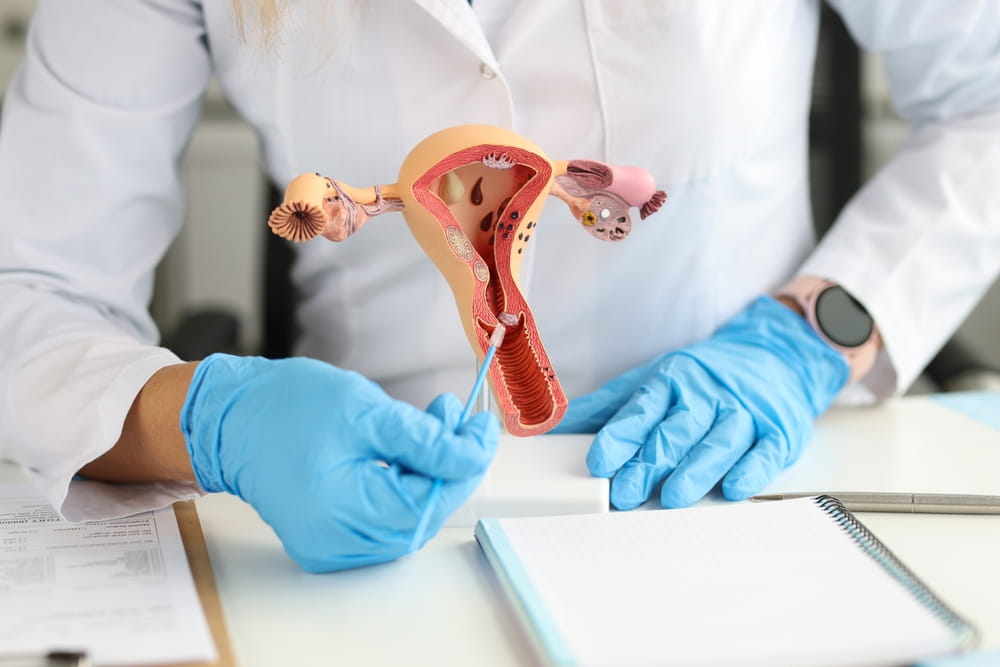
Endometrial cancer is the most common gynecologic cancer in the United States and primarily affects the lining of the uterus, known as the endometrium. Education and awareness are essential for early detection and better outcomes. At Summit Women’s & Wellness Medical Group, patient-focused education helps individuals understand conditions that impact reproductive health and overall wellness. By learning about the causes, symptoms, and treatment options for endometrial cancer, patients can feel more empowered to seek timely medical guidance and make informed decisions.
What Is Endometrial Cancer
Understanding the Condition
Endometrial cancer develops when abnormal cells grow uncontrollably in the lining of the uterus. It is most commonly diagnosed after menopause, though it can occur in younger individuals as well. The majority of cases are classified as endometrioid adenocarcinoma, which is often linked to hormonal imbalances, particularly excess estrogen without enough progesterone to counterbalance it.
Because early symptoms are often noticeable, endometrial cancer is frequently diagnosed at an earlier stage compared to other gynecologic cancers. This makes education around symptom recognition especially important. Routine gynecologic evaluations and attention to abnormal uterine bleeding play a critical role in early identification, often discussed within Gynecology care.
Who Is at Higher Risk
Several factors may increase the risk of developing endometrial cancer. These include obesity, diabetes, hypertension, early onset of menstruation, late menopause, and conditions associated with prolonged estrogen exposure. A history of polycystic ovary syndrome (PCOS) or infertility may also be associated with higher risk. Additionally, certain genetic conditions, such as Lynch syndrome, can significantly increase susceptibility, highlighting the importance of personalized risk assessment and preventative discussions.
Common Symptoms to Recognize
Early Warning Signs
The most common symptom of endometrial cancer is abnormal uterine bleeding. In postmenopausal individuals, any vaginal bleeding is considered abnormal and should be evaluated promptly. In premenopausal patients, symptoms may include unusually heavy periods, bleeding between cycles, or bleeding after intercourse.
Other symptoms can include pelvic pain, a feeling of fullness, or unexplained weight loss, though these are more common in later stages. Because these symptoms can overlap with other gynecologic conditions, evaluation by a healthcare professional is essential. Preventive education and symptom monitoring are often emphasized through Preventative Care initiatives.
Importance of Early Evaluation
Prompt evaluation of abnormal symptoms can lead to earlier diagnosis and more effective treatment. Diagnostic steps may include pelvic examinations, transvaginal ultrasound, endometrial biopsy, or imaging studies. Early-stage detection is associated with higher survival rates, reinforcing the value of patient awareness and routine healthcare visits.
Causes and Risk Factors
Hormonal Influences
Hormonal imbalance plays a central role in the development of many cases of endometrial cancer. Estrogen stimulates the growth of the endometrial lining, while progesterone helps regulate and shed it. When estrogen levels are high without adequate progesterone, the endometrium may thicken excessively, increasing the risk of abnormal cell growth over time.
This imbalance may be influenced by factors such as obesity, where adipose tissue contributes to increased estrogen production, or by certain medications that affect hormone levels. Understanding these mechanisms helps patients better grasp why lifestyle and medical history are important components of cancer risk discussions.
Additional Contributing Factors
Beyond hormones, age, family history, and metabolic conditions contribute to risk. Lifestyle factors such as physical inactivity may also play a role. Educational resources and counseling around reproductive planning and health history, including Complex Family Planning, can support informed conversations about long-term gynecologic health.
Treatment Options and Outlook
Standard Treatment Approaches
Treatment for endometrial cancer depends on the stage, grade, and type of cancer, as well as the patient’s overall health. Surgery is the most common initial treatment and typically involves removal of the uterus, fallopian tubes, and ovaries. In some cases, lymph nodes may also be evaluated to assess spread.
Additional treatments may include radiation therapy, hormone therapy, chemotherapy, or a combination of these approaches. Treatment plans are individualized, with consideration given to preserving quality of life and addressing patient-specific needs.
Prognosis and Ongoing Care
When diagnosed early, endometrial cancer often has a favorable prognosis. Ongoing follow-up care is important to monitor for recurrence and manage long-term health. Survivorship care may include lifestyle guidance, emotional support, and continued gynecologic monitoring. Access to educational resources and supportive care contributes to long-term well-being and confidence after treatment.
Empowering Patients Through Knowledge
Understanding endometrial cancer helps patients recognize symptoms early and seek appropriate care without delay. Education around risk factors, prevention, and treatment options supports proactive health decisions and open communication with healthcare providers. At Summit Women’s & Wellness Medical Group, patient education is a cornerstone of comprehensive women’s health, encouraging awareness, prevention, and informed engagement at every stage of life.
Sources
American Cancer Society. (2023). Endometrial Cancer Overview and Risk Factors. CA: A Cancer Journal for Clinicians.
National Cancer Institute. (2022). Endometrial Cancer Treatment (PDQ®). Journal of the National Cancer Institute.
Smith-Bindman, R., et al. (2004). Endovaginal Ultrasound to Exclude Endometrial Cancer. JAMA.