
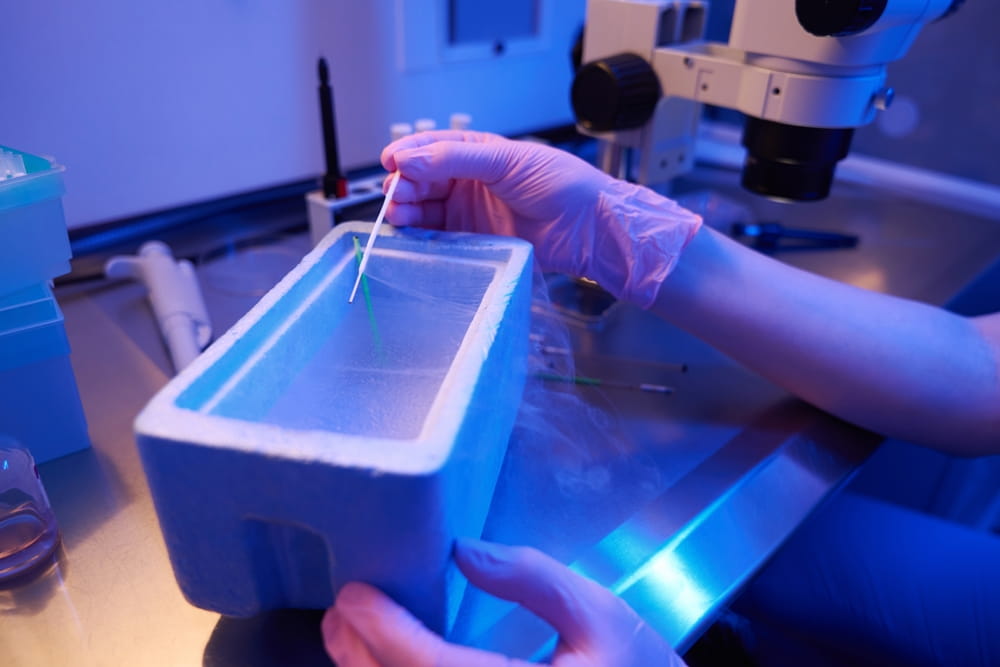
Fertility preservation has become an increasingly important topic as individuals seek greater flexibility and control over their reproductive futures. Advances in medical science now allow people to preserve reproductive potential for personal, medical, or professional reasons. Education plays a vital role in helping patients understand what fertility preservation involves and when it may be appropriate. At Summit Women’s & Wellness Medical Group, patient education focuses on empowering individuals with knowledge so they can make informed decisions about reproductive health and long-term planning.
What Is Fertility Preservation
An Overview of the Process
Fertility preservation refers to medical techniques used to protect or save eggs, embryos, or reproductive tissue for future use. The most common methods include egg freezing (oocyte cryopreservation) and embryo freezing. These options allow individuals to preserve reproductive potential at a younger age, when egg quality and quantity are generally higher.
The process typically involves hormonal stimulation to encourage the ovaries to produce multiple eggs, followed by retrieval and freezing using advanced cryopreservation techniques. While fertility preservation does not guarantee future pregnancy, it can significantly expand reproductive options later in life. Foundational education around reproductive health is often addressed within Gynecology care.
Why Fertility Preservation Is Considered
People consider fertility preservation for many reasons. Some wish to delay childbearing due to career, education, or personal circumstances, while others may face medical treatments that could impact fertility. By preserving eggs or embryos earlier, individuals may reduce the effects of age-related fertility decline and feel more confident about future family-building possibilities.
Who May Benefit From Fertility Preservation
Medical and Health-Related Reasons
Certain medical conditions or treatments can negatively affect fertility. Individuals undergoing chemotherapy, radiation therapy, or surgery involving the reproductive organs may consider fertility preservation prior to treatment. Autoimmune disorders or conditions that affect ovarian function may also influence this decision.
Fertility preservation can also be relevant for those with a family history of early menopause or genetic conditions that may compromise fertility. Early education and evaluation help individuals assess personal risk factors and consider proactive planning options in collaboration with healthcare providers.
Personal and Lifestyle Considerations
Beyond medical reasons, many individuals pursue fertility preservation for personal or lifestyle-related reasons. Delaying parenthood has become more common, yet fertility naturally declines with age. Fertility preservation offers an opportunity to align reproductive goals with life circumstances without feeling rushed by biological timelines.
Educational discussions around Complex Family Planning often include fertility preservation as a planning tool that supports informed, intentional decision-making about future family goals.
Key Benefits of Fertility Preservation
Expanding Reproductive Choices
One of the primary benefits of fertility preservation is the ability to maintain reproductive options for the future. Preserved eggs or embryos may be used later when an individual feels physically, emotionally, or financially ready to pursue pregnancy. This flexibility can reduce pressure and anxiety around timing.
Fertility preservation may also provide reassurance for individuals facing uncertain health or life circumstances. Knowing that reproductive potential has been safeguarded can offer peace of mind and a sense of control during times of transition or uncertainty.
Additional Potential Advantages
- Helps mitigate age-related decline in egg quality
- Supports family planning flexibility
- Provides options before fertility-impacting medical treatments
- Encourages proactive reproductive health planning
Factors to Consider Before Preserving Fertility
Age, Timing, and Expectations
Age is one of the most important factors influencing fertility preservation outcomes. Generally, eggs retrieved at younger ages are more likely to result in successful pregnancy later. Understanding realistic expectations is essential, as fertility preservation improves options but does not eliminate all fertility challenges.
Individuals are encouraged to consider emotional readiness, time commitment, and financial aspects when exploring fertility preservation. Comprehensive education helps patients evaluate benefits and limitations in the context of their long-term goals.
Supporting Overall Reproductive Health
Reproductive health is influenced by more than age alone. Nutrition, metabolic health, and lifestyle habits all play roles in egg quality and hormonal balance. Educational guidance through Nutrition resources supports overall wellness and may complement fertility-focused planning by promoting hormonal stability and general health.
Fertility Preservation as Part of Long-Term Wellness
Integrating Education and Preventive Planning
Fertility preservation is most effective when approached as part of a broader reproductive health strategy. Preventive evaluations, routine screenings, and ongoing education allow individuals to make timely and informed decisions. Understanding fertility status early can open the door to options that may not be available later.
Education around fertility preservation also encourages conversations about reproductive goals well before challenges arise. This proactive mindset supports autonomy and informed consent at every stage of life.
Empowerment Through Knowledge and Choice
Fertility preservation offers meaningful benefits for individuals seeking greater control over their reproductive futures. By understanding how these options work, who may benefit, and what factors influence outcomes, patients are better equipped to make decisions aligned with their goals and values. At Summit Women’s & Wellness Medical Group, patient education remains central to supporting informed reproductive planning. With knowledge and proactive care, fertility preservation can serve as a valuable tool in long-term reproductive wellness.
Sources
Practice Committee of the American Society for Reproductive Medicine. (2021). Mature Oocyte Cryopreservation: A Guideline. Fertility and Sterility.
Cobo, A., & Díaz, C. (2011). Clinical Application of Oocyte Cryopreservation. Fertility and Sterility.
Centers for Disease Control and Prevention. (2022). Assisted Reproductive Technology and Fertility Preservation. Reproductive Health.