
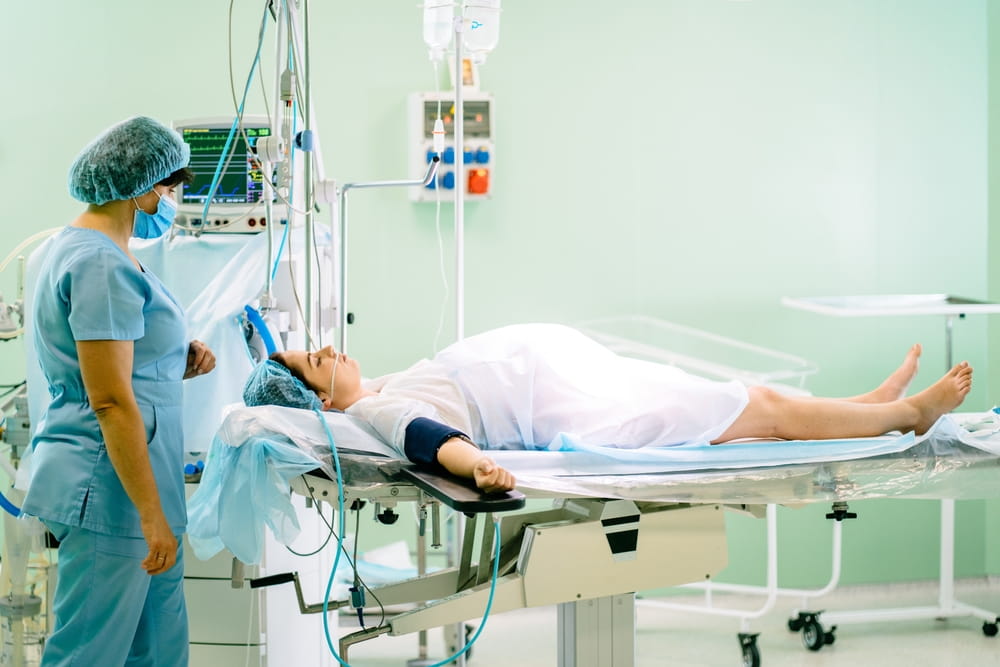
Preparing for a cesarean section, commonly known as a C-section, begins with understanding the procedure itself. At Summit Women’s & Wellness Medical Group in Rancho Cucamonga, CA, patients often seek clarity about what to expect before, during, and after delivery. A C-section is a surgical procedure used to deliver a baby through incisions made in the abdomen and uterus. It may be planned in advance or performed as an emergency when complications arise during labor.
This type of delivery can be recommended for several reasons, including multiple pregnancies, placenta complications, or concerns about the baby’s health. While it is a common and generally safe procedure, it is still major surgery, which means preparation is essential. Knowing what will happen can help reduce anxiety and allow expectant parents to feel more confident and informed going into the experience.
Preparing Physically for Surgery
Physical preparation plays an important role in ensuring a smoother C-section experience and recovery. In the weeks leading up to the procedure, maintaining a healthy lifestyle can support healing and reduce the risk of complications. This includes staying hydrated, eating a balanced diet, and following any specific medical instructions provided by your healthcare provider.
Doctors may recommend certain preoperative guidelines, such as avoiding food and drink for a set number of hours before surgery. You may also be asked to stop taking specific medications or supplements temporarily. Engaging in light physical activity, when approved, can help maintain strength and circulation, which are beneficial during recovery. Attending regular checkups through services like Obstetrics and Preventative Care can ensure you are fully prepared and monitored leading up to delivery.
Getting Ready at Home Before Delivery
Preparing your home environment ahead of time can make a significant difference once you return from the hospital. Since recovery from a C-section involves limited mobility, it is helpful to organize your living space to minimize physical strain. Setting up a comfortable recovery area with easy access to essentials can help you focus on healing and caring for your newborn.
Consider preparing meals in advance, arranging childcare support if needed, and ensuring frequently used items are within reach. Stocking up on necessary supplies such as comfortable clothing, hygiene products, and baby essentials can also reduce stress after delivery. Planning ahead allows you to transition more smoothly into postpartum recovery without unnecessary physical exertion.
What to Pack for the Hospital
Having a well-prepared hospital bag can help you feel more organized and at ease on the day of your C-section. Packing early ensures that you have everything you need without last-minute stress. While hospitals provide many essentials, bringing personal items can improve comfort during your stay.
Some important items to include are:
- Loose, comfortable clothing for after surgery
- Personal hygiene items
- Nursing bras or supportive undergarments
- Baby clothing and blankets
- Important documents and identification
- Phone charger and comfort items
Being prepared with these essentials allows you to focus on your recovery and bonding with your baby rather than worrying about missing items.
Understanding Recovery and Postpartum Care
Recovery after a C-section requires patience and proper care. Unlike vaginal delivery, surgical recovery involves healing from incisions and managing discomfort. Most individuals stay in the hospital for a few days before returning home, where continued rest and gradual activity are important.
Pain management, incision care, and avoiding heavy lifting are key aspects of recovery. Support from family members or caregivers can be invaluable during this time. Services such as Nutrition and Functional Medicine can support overall healing and energy levels. Emotional support is equally important, and connecting with others through Virtual Class and Support Groups can help ease the transition into postpartum life.
Emotional Preparation and Mental Readiness
In addition to physical preparation, emotional readiness is an important part of preparing for a C-section. It is normal to feel a range of emotions, including excitement, anxiety, and uncertainty. Understanding the procedure and discussing concerns with a healthcare provider can help build confidence and reduce fear.
Creating a birth plan that includes preferences for your C-section experience can also provide a sense of control. This may include discussing pain management options, support persons उपस्थित during delivery, and immediate postpartum care. Taking time to mentally prepare can help you approach the experience with a calmer and more positive mindset.
Moving Forward with Confidence and Support
Preparing for a C-section delivery involves thoughtful planning, education, and support. By understanding the procedure, organizing your home and hospital essentials, and prioritizing recovery, you can create a smoother and more comfortable experience. Summit Women’s & Wellness Medical Group in Rancho Cucamonga, CA encourages expectant parents to stay informed and proactive throughout their pregnancy journey.
With the right preparation and support system in place, many individuals find that a C-section can be a safe and manageable way to welcome their baby. Taking the time to plan ahead allows you to focus on what matters most—your health and the well-being of your newborn.
Resources
American College of Obstetricians and Gynecologists (ACOG). (2021). Cesarean Birth. ACOG.
Mayo Clinic. (2022). C-section. Mayo Clinic.
Cleveland Clinic. (2023). Cesarean Section (C-Section). Cleveland Clinic.