
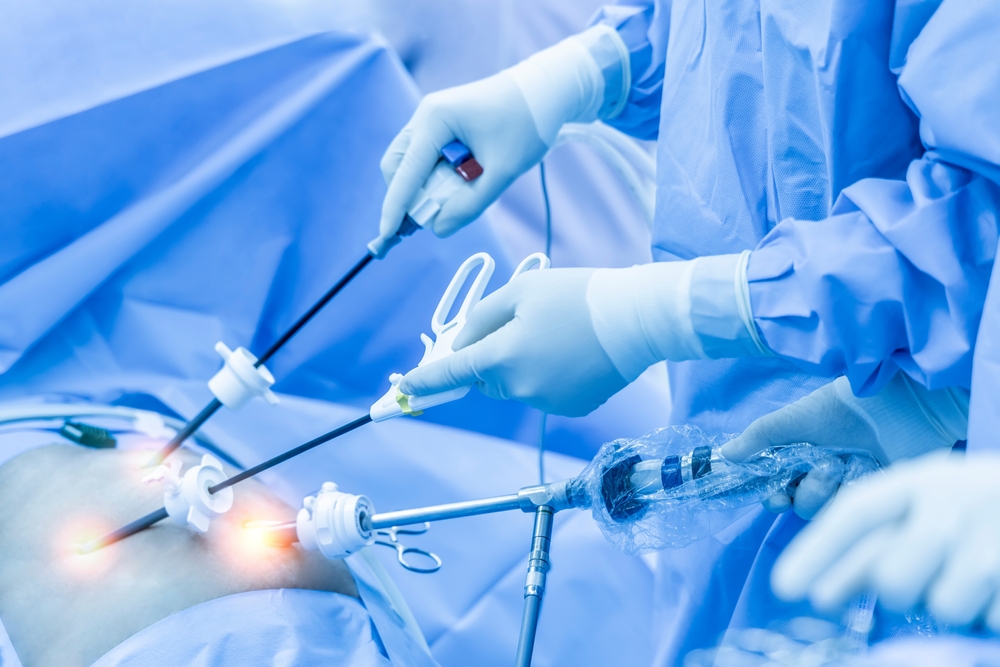
Laparoscopic surgery has transformed modern medical care, offering patients less invasive alternatives to traditional surgical procedures. At Summit Women’s & Wellness Medical Group in Rancho Cucamonga, CA, this innovative approach represents the evolution of surgical care that prioritizes patient comfort, precision, and quicker recovery. While every surgery carries some level of risk, laparoscopic techniques have significantly reduced postoperative pain and hospital stays for many patients worldwide. Understanding what laparoscopic surgery involves, how it differs from conventional methods, and what to expect during recovery can help individuals make informed decisions about their health.
Understanding Laparoscopic Surgery
Laparoscopic surgery, often referred to as “minimally invasive surgery,” involves the use of small incisions through which a surgeon inserts a camera and specialized surgical instruments. The camera projects a magnified image onto a monitor, allowing the surgeon to perform intricate procedures with remarkable accuracy. This method minimizes trauma to surrounding tissues compared to open surgery, where larger incisions are required.
The technique has been widely used in gynecology, gastroenterology, and general surgery for procedures such as gallbladder removal, hysterectomy, or hernia repair. Its precision also reduces the likelihood of infection and accelerates healing. Many patients experience less visible scarring and find their recovery to be smoother, which contributes to the growing preference for laparoscopic methods in both elective and emergency procedures.
The Key Benefits of Laparoscopic Surgery
The benefits of laparoscopic surgery extend far beyond smaller incisions. One of the most notable advantages is the shorter hospital stay. Many patients can return home the same day or within 24 hours, reducing both medical costs and emotional strain. Additionally, less postoperative pain translates into reduced dependence on pain medication and an earlier return to normal activities.
Other key advantages include:
- Reduced scarring: Tiny incisions result in minimal cosmetic impact.
- Lower infection risk: Smaller wounds heal faster and are less exposed to contaminants.
- Faster recovery time: Patients typically resume work and light physical activity within a shorter timeframe.
- Improved visualization: Surgeons can operate with enhanced precision, reducing the chance of complications.
From a clinical standpoint, these benefits collectively lead to better outcomes and higher patient satisfaction rates. For individuals managing busy lifestyles or multiple responsibilities, laparoscopic surgery’s reduced downtime offers a practical advantage that supports both physical and emotional well-being.
What to Expect During Recovery
Recovery following laparoscopic surgery is generally smoother and quicker than that of traditional surgery, but it still requires attentive care and patience. Most patients are encouraged to begin light activity soon after surgery to promote blood circulation and prevent complications such as blood clots. However, strenuous exercise or heavy lifting should be avoided until cleared by a physician.
Discomfort around the incision sites and mild bloating from the gas used during surgery are common in the first few days. These symptoms typically subside within a week. Patients are advised to follow their doctor’s post-surgical instructions carefully, including wound care and medication schedules. A balanced diet rich in protein and hydration can support healing, while adequate rest ensures that the body recovers efficiently. Regular follow-up appointments allow healthcare providers to monitor progress and address any concerns promptly, ensuring a safe return to daily routines.
A Modern Path Toward Healing
Laparoscopic surgery represents a modern advancement that combines efficiency, safety, and comfort for patients. By embracing minimally invasive techniques, today’s surgeons can offer effective treatment while preserving patient well-being throughout the recovery journey. For residents in and around Rancho Cucamonga, CA, Summit Women’s & Wellness Medical Group values the importance of patient education and understanding when it comes to surgical options. Awareness and preparation are key steps toward a smoother, more confident healthcare experience.
Resources
- Brill, A. I. (2010). Laparoscopic Surgery: Principles and Practice. Journal of Minimally Invasive Gynecology.
- Vilos, G. A., & Vilos, A. G. (2019). Advances in Laparoscopic Surgery. Obstetrics and Gynecology International.
- Reynolds, W. (2001). The First Laparoscopic Cholecystectomy. JSLS: Journal of the Society of Laparoendoscopic Surgeons.