
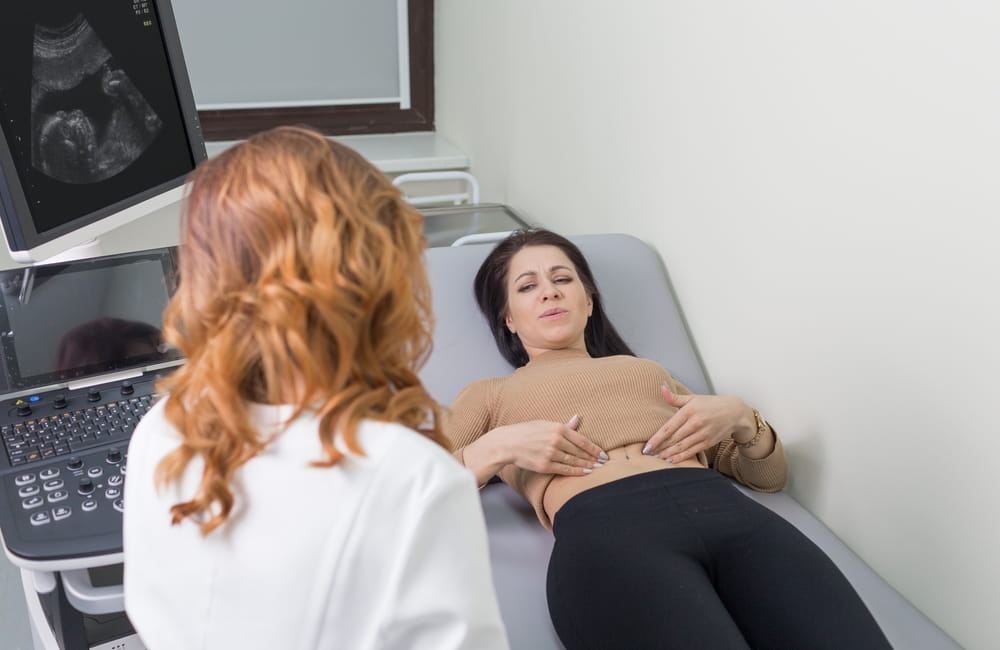
An ectopic pregnancy is a serious medical condition that requires early recognition and prompt evaluation. While it is relatively uncommon, it can pose significant health risks if left untreated. Understanding the warning signs and risk factors helps individuals seek care as early as possible. At Summit Women’s & Wellness Medical Group, patient education plays a key role in helping individuals recognize concerning symptoms during early pregnancy and understand when urgent medical attention may be needed.
What Is an Ectopic Pregnancy
How It Develops
An ectopic pregnancy occurs when a fertilized egg implants outside the uterus, most commonly in a fallopian tube. Less frequently, implantation may occur in the cervix, ovary, or abdominal cavity. Because these areas are not designed to support a growing pregnancy, the embryo cannot develop normally, and the surrounding tissue may become damaged as it grows.
As the pregnancy progresses, the risk of internal bleeding increases, particularly if the fallopian tube ruptures. This makes ectopic pregnancy a potentially life-threatening condition. Early detection is critical to reduce complications and preserve overall reproductive health. Education around early pregnancy monitoring is often discussed within Obstetrics care.
Why Early Recognition Matters
In the early stages, symptoms of an ectopic pregnancy may resemble those of a typical early pregnancy, such as missed periods, nausea, or breast tenderness. As the pregnancy grows, however, symptoms usually become more pronounced and concerning. Recognizing subtle warning signs before severe complications develop can significantly improve outcomes and reduce the need for emergency intervention.
Common Signs and Symptoms
Early and Progressive Warning Signs
One of the earliest signs of an ectopic pregnancy may be abnormal vaginal bleeding. This bleeding may be lighter or heavier than a normal period and can occur alongside pelvic discomfort. Pelvic or lower abdominal pain, especially on one side, is another common symptom and may range from mild to sharp or stabbing.
As the condition progresses, pain may intensify and spread to the shoulder or neck, which can indicate internal bleeding irritating the diaphragm. Dizziness, lightheadedness, or fainting are more severe symptoms that suggest blood loss and require immediate medical evaluation.
Symptoms That Require Urgent Attention
- Sudden, severe abdominal or pelvic pain
- Shoulder pain accompanied by weakness or dizziness
- Heavy vaginal bleeding
- Fainting or signs of shock
These symptoms are medical emergencies and should never be ignored, as they may indicate rupture and internal bleeding.
Risk Factors for Ectopic Pregnancy
Medical and Reproductive Factors
Certain factors increase the likelihood of ectopic pregnancy. Previous ectopic pregnancies, a history of pelvic inflammatory disease (PID), or prior surgery involving the fallopian tubes may raise risk by affecting tubal structure or function. Conditions that cause scarring or inflammation in the pelvis can interfere with normal egg movement.
Use of assisted reproductive technologies or becoming pregnant while using an intrauterine device (IUD) may also slightly increase risk, though ectopic pregnancy can occur even in individuals without identifiable risk factors. Education through Gynecology care helps individuals understand personal risk and recognize early symptoms.
Lifestyle and Health Considerations
Smoking has been associated with increased risk due to its effects on fallopian tube function. Additionally, age-related changes in reproductive anatomy may play a role. While risk factors are helpful to understand, it is important to note that ectopic pregnancy can occur in anyone who becomes pregnant, regardless of health history.
Diagnosis and Evaluation
How Ectopic Pregnancy Is Identified
Diagnosis typically involves a combination of pelvic examination, blood tests to measure pregnancy hormone levels, and imaging such as transvaginal ultrasound. In a normal pregnancy, hormone levels rise predictably, and the pregnancy can be visualized within the uterus. When hormone levels are abnormal or no uterine pregnancy is seen, further evaluation is needed.
Early evaluation is essential not only for diagnosis but also for determining appropriate management. Preventive education and early pregnancy assessment are often emphasized within Preventative Care to support early detection of complications.
Monitoring and Follow-Up
In some cases, close monitoring may be required to confirm diagnosis, particularly when symptoms are mild. Regular follow-up ensures that changes are identified promptly and that intervention occurs before complications arise.
Treatment Options and Recovery
Approaches to Management
Treatment depends on how early the ectopic pregnancy is detected and the individual’s overall condition. In early cases, medication may be used to stop pregnancy growth and allow the body to absorb the tissue naturally. In more advanced cases or when rupture occurs, surgical intervention may be necessary.
Recovery involves both physical healing and emotional support, as pregnancy loss can be deeply distressing. Education and counseling around future fertility and reproductive planning are often addressed within Complex Family Planning discussions.
Awareness as a Lifesaving Tool
Recognizing the signs of an ectopic pregnancy can be lifesaving. Early symptoms may be subtle, but paying attention to abnormal pain, bleeding, or dizziness during early pregnancy is essential. Education empowers individuals to seek care promptly and reduces the risk of serious complications. At Summit Women’s & Wellness Medical Group, patient education remains central to promoting safety, awareness, and informed reproductive health decisions. Understanding ectopic pregnancy supports timely care and reinforces the importance of listening to the body during early pregnancy.
Sources
American College of Obstetricians and Gynecologists. (2022). Ectopic Pregnancy. Obstetrics & Gynecology.
Centers for Disease Control and Prevention. (2023). Ectopic Pregnancy: Diagnosis and Treatment. Reproductive Health.
Barnhart, K. T. (2009). Ectopic Pregnancy. New England Journal of Medicine.