
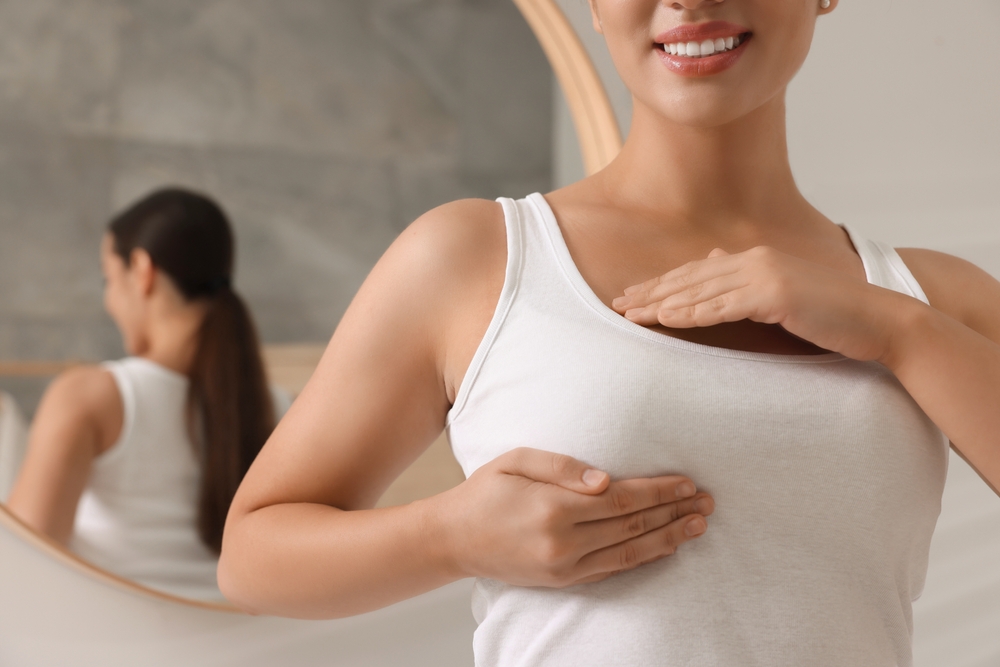
Breast health is an essential part of every woman’s overall well-being. At Summit Women’s & Wellness Medical Group in Rancho Cucamonga, CA, Dr. Renee Obey encourages women to take a proactive approach to their health through awareness, education, and preventive habits such as regular breast self-exams. Understanding your own body is one of the most powerful tools for early detection of potential changes, which can lead to timely medical evaluation and better outcomes.
Understanding Breast Self-Exams
A breast self-exam (BSE) is a simple, at-home practice that allows women to become familiar with how their breasts normally look and feel. By performing these checks regularly, it becomes easier to notice subtle changes such as lumps, thickening, or visual differences. While not a substitute for clinical exams or mammograms, self-exams are an important first line of awareness that can help identify early warning signs of breast abnormalities.
The goal of a breast self-exam is not to diagnose but to promote body awareness. Every woman’s breast tissue is different and can change due to age, hormonal cycles, or pregnancy. Recognizing what is normal for you can help you distinguish natural variations from potential concerns that may require further evaluation.
Why Breast Self-Exams Matter
Breast cancer is one of the most common cancers among women worldwide, and early detection plays a vital role in improving survival rates. Many women who have discovered lumps or unusual changes in their breasts through self-exams have sought care early, leading to more effective treatment options. When detected at an early stage, breast cancer has a significantly higher chance of successful management and recovery.
Beyond cancer detection, regular self-exams empower women to take charge of their own health. Developing a routine fosters confidence, self-awareness, and a deeper connection with one’s body. It also promotes open dialogue with healthcare providers, as women who perform regular self-exams are often more comfortable discussing breast health and seeking medical advice when something feels different.
How to Perform a Breast Self-Exam
Although techniques can vary slightly, most experts recommend performing a self-exam once a month, ideally at the same time in your menstrual cycle when breasts are least tender or swollen. For women who no longer menstruate, choosing a consistent date each month helps maintain regularity.
A typical breast self-exam includes the following steps:
- Visual inspection: Stand in front of a mirror with your shoulders straight and arms on your hips. Look for changes in shape, size, or skin texture.
- Manual examination while standing or sitting: Using the pads of your fingers, move in circular motions around the entire breast and armpit area, feeling for lumps, thickened tissue, or tenderness.
- Manual examination while lying down: Repeat the process while lying on your back, which helps spread the breast tissue evenly and makes it easier to detect unusual areas.
If any new changes or persistent discomforts are noticed, it’s important to contact a healthcare professional for further evaluation.
Recognizing What’s Normal vs. Concerning
It’s normal for breasts to feel different at various times during the month due to hormonal fluctuations. Some women experience temporary tenderness or lumpiness around their menstrual cycle. However, if a lump or change persists after your cycle, or if you notice nipple discharge, dimpling, or redness, it’s advisable to seek medical attention.
Remember, not every lump or irregularity is cancerous—many are benign cysts or fibrous tissue—but only a professional evaluation can determine the cause. The key takeaway is that awareness and early action make a significant difference in breast health outcomes.
Building a Lifelong Habit of Breast Awareness
Developing a consistent routine of self-exams creates a foundation for lifelong breast health. Incorporating it into your monthly wellness practices, along with regular screenings recommended by your healthcare provider, ensures a comprehensive approach to prevention and early detection. Education and consistency are powerful tools for maintaining well-being and peace of mind.
Dr. Renee Obey and the team at Summit Women’s & Wellness Medical Group in Rancho Cucamonga, CA, emphasize that understanding and caring for your breast health is an empowering part of self-care. By making breast self-exams a regular habit, women can take an active role in safeguarding their health and fostering early awareness.
Resources
American Cancer Society. (2023). Breast Cancer Facts & Figures. American Cancer Society Publications.
Barton, M. B., Harris, R., & Fletcher, S. W. (1999). The Rational Clinical Examination: Does This Patient Have Breast Cancer? JAMA.
Saslow, D., Boetes, C., Burke, W., et al. (2007). American Cancer Society Guidelines for Breast Screening with MRI as an Adjunct to Mammography. CA: A Cancer Journal for Clinicians.