
Human Papillomavirus (HPV) is one of the most common sexually transmitted infections in the world, affecting millions of men and women each year. At Summit Women’s & Wellness Medical Group in Rancho Cucamonga, CA, understanding HPV is a key step in promoting women’s health and empowering individuals to take proactive steps toward prevention and early detection. Despite being common, many people are unaware of the full spectrum of HPV, how it spreads, and its potential consequences. By gaining a clearer understanding, individuals can make informed decisions that safeguard their health and well-being.
What Is HPV?
HPV is a group of more than 200 related viruses, each labeled with a number, or type. Some types of HPV cause benign skin growths like warts, while others are classified as high-risk due to their potential to lead to certain cancers. HPV types 6 and 11 are responsible for most cases of genital warts, while types 16 and 18 account for a significant percentage of cervical cancers. The virus is transmitted through intimate skin-to-skin contact, which means that it can spread even without sexual intercourse.
The body’s immune system often clears HPV infections naturally within one to two years. However, in cases where the infection persists, it can cause abnormal cellular changes that may progress into cancer. Persistent high-risk HPV infections are most commonly associated with cervical cancer, but they can also contribute to cancers of the vulva, vagina, penis, anus, and throat. Understanding the different strains and their potential risks is essential in preventing complications and supporting early detection efforts.
Symptoms and Diagnosis
One of the most challenging aspects of HPV is that it often presents no symptoms, especially in the early stages. Many people are unaware they have the virus until a routine screening or when complications develop. For instance, genital warts may appear as small bumps or clusters in the genital area, while high-risk HPV types typically show no visible signs. This asymptomatic nature makes regular screening critical for women’s health.
Diagnosis usually involves a Pap smear, which detects abnormal cervical cells that may indicate HPV-related changes. In some cases, an HPV test is conducted alongside a Pap smear to determine the presence of high-risk HPV strains. If abnormalities are found, follow-up testing such as a colposcopy or biopsy may be recommended to assess the extent of cellular changes. Routine testing and early detection remain essential tools in reducing HPV-related health risks.
Prevention and Protection
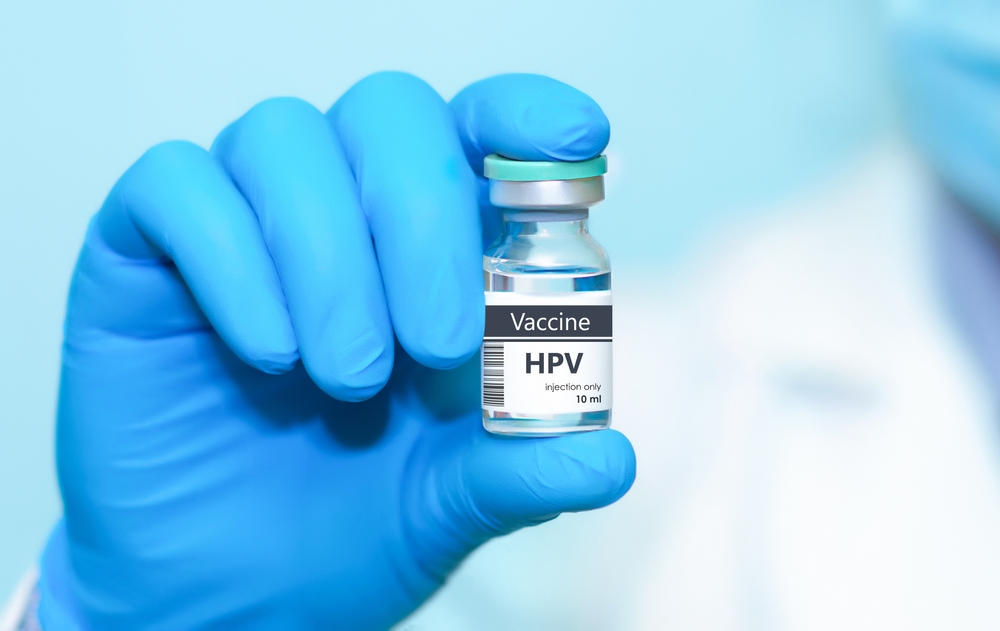
Prevention plays a vital role in reducing HPV transmission and its long-term health effects. Vaccination is one of the most effective preventive measures available. The HPV vaccine targets several high-risk types of the virus and has been shown to significantly lower the rates of HPV-related cancers and genital warts. The Centers for Disease Control and Prevention (CDC) recommends vaccination for preteens around ages 11–12, though individuals can receive the vaccine into adulthood.
In addition to vaccination, preventive practices include regular screenings, safe sexual behavior, and open communication with healthcare providers. Using barrier methods like condoms can lower the risk of HPV transmission, though they do not offer complete protection since HPV can infect areas not covered by condoms. Maintaining a strong immune system through a healthy lifestyle also supports the body’s ability to clear infections naturally. Awareness, prevention, and early detection together form the foundation for long-term reproductive health.
Living with HPV and Reducing Stigma
An HPV diagnosis can be emotionally challenging, often accompanied by unnecessary fear or stigma. However, it is important to remember that HPV is extremely common and that most infections do not lead to serious health problems. Education is one of the most powerful tools in combating the misinformation surrounding HPV. By understanding the virus and its implications, individuals can take practical steps to manage their health without shame or anxiety.
For those living with persistent HPV infections, regular follow-up care is essential to monitor cellular changes and ensure timely medical intervention if needed. Open dialogue with a healthcare provider fosters both understanding and empowerment, allowing patients to take control of their health journey. Summit Women’s & Wellness Medical Group in Rancho Cucamonga, CA, encourages continued education and awareness as key components of proactive wellness.
Resources
Centers for Disease Control and Prevention. (2024). Human Papillomavirus (HPV) Infection. U.S. Department of Health & Human Services.
National Cancer Institute. (2023). HPV and Cancer. Bethesda, MD: National Institutes of Health.
Schiffman, M., & Castle, P. E. (2003). The Promise of Global Cervical-Cancer Prevention. New England Journal of Medicine.